Context: SchoolBio-inspired AI simulation2026
Piageon
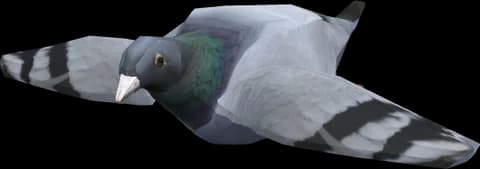
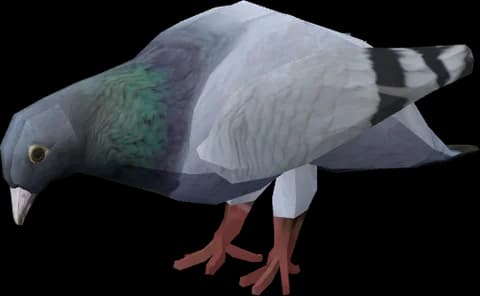
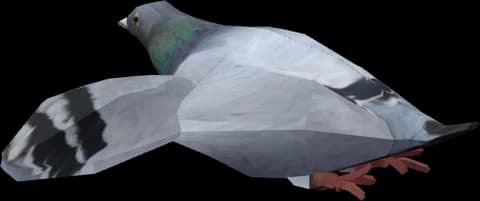
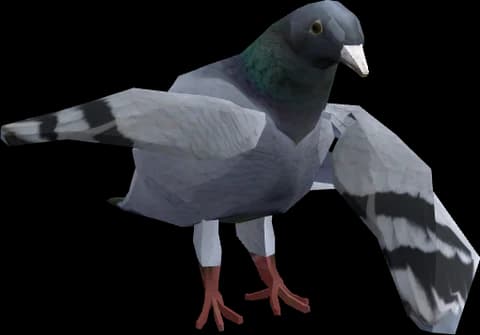
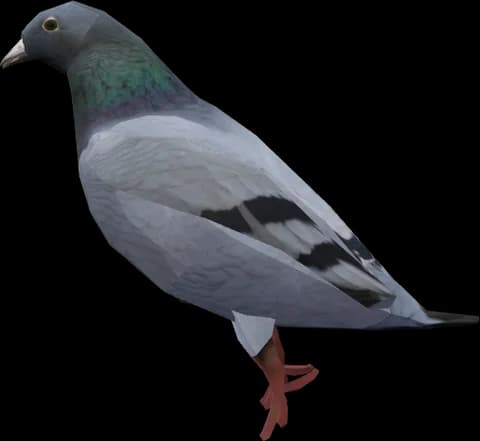
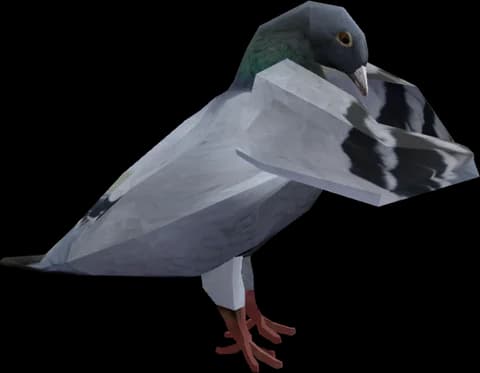
Bio-inspired AI in a Game of Life fashion: autonomous pigeons are born, evolve, flock and fight for political control.
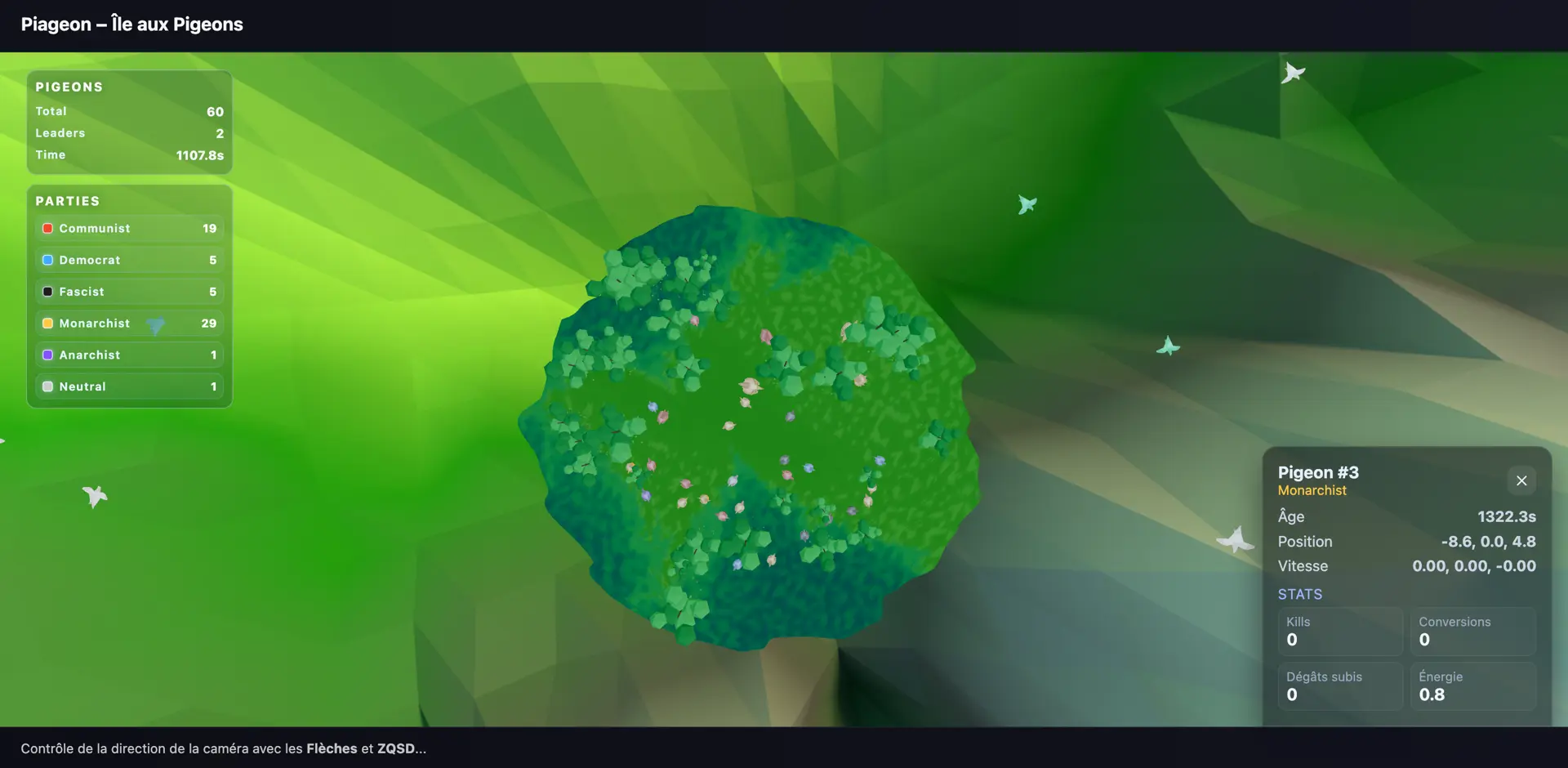
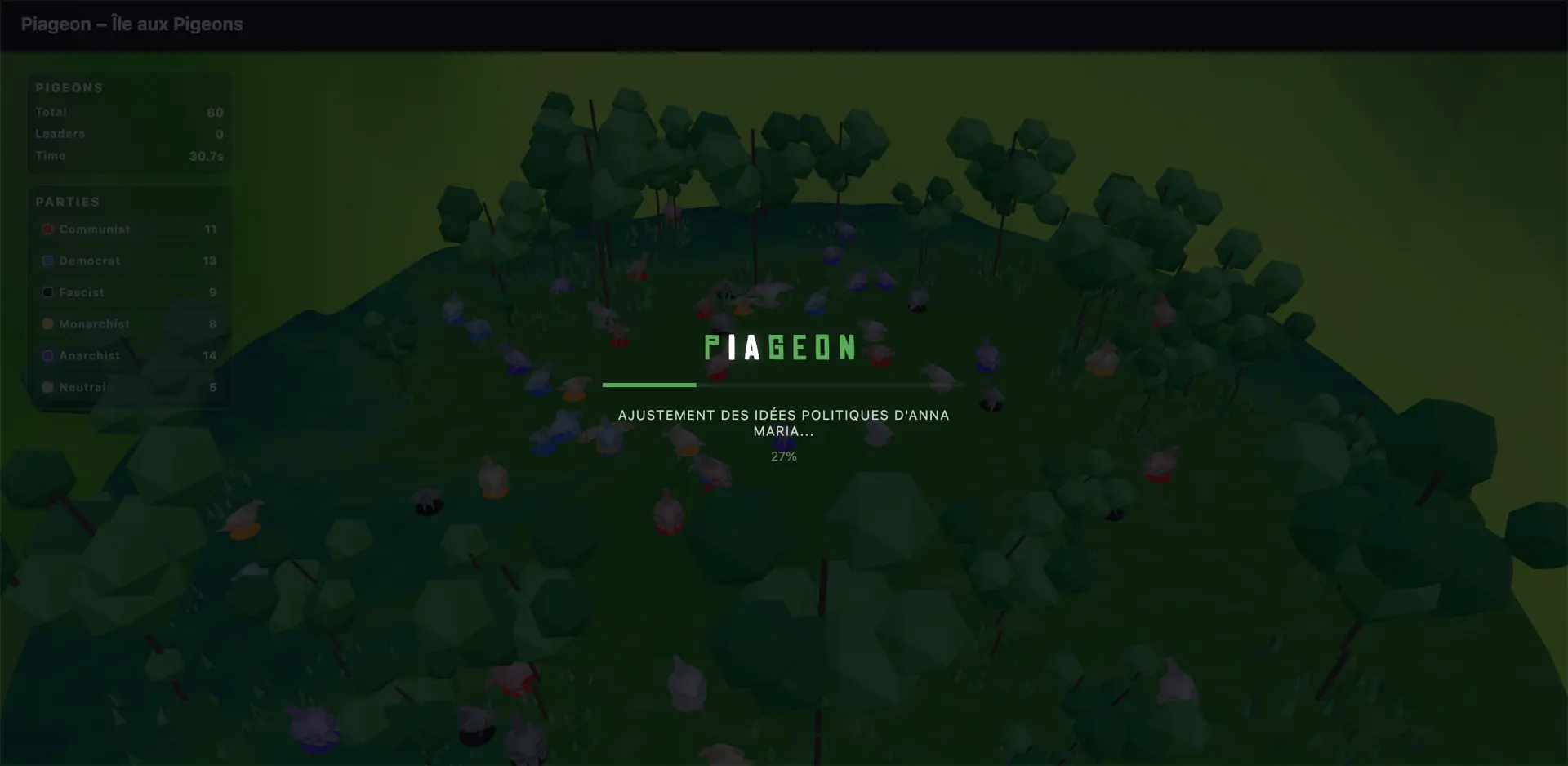
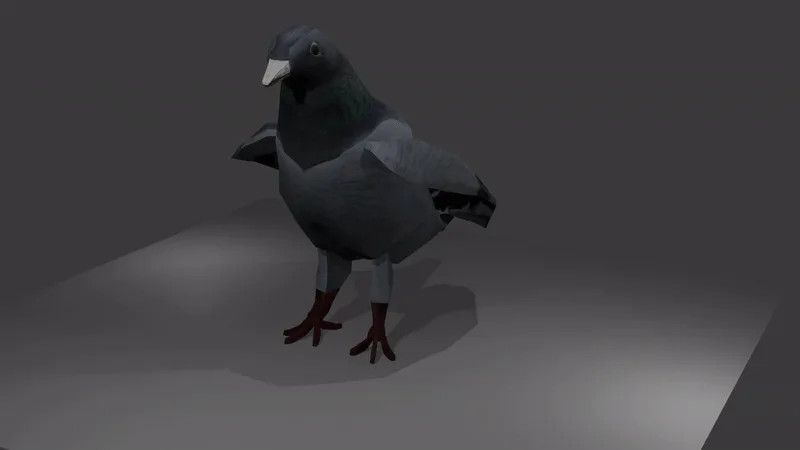
Image 1 of 3
- Year
- 2026
- Type
- Bio-inspired AI simulation
- Stack
- Cellular automata
- Genetic algorithms
- Boids
- React Three Fiber
- Three.js
- React
- Vite
- Classes
- Developer
About the project
Piageon is a bio-inspired artificial intelligence project. Instead of scripting behaviour, it lets life emerge from simple local rules, the way Conway's Game of Life does, and watches what grows out of them on a procedural island.
The core is a double cellular automaton. A Life-like layer decides where groups of pigeons appear and disappear from the state of their neighbourhood; a political layer, running on the same grid, spreads and flips ideologies from cell to cell. On top of it, boids drive the flocks with separation, alignment and cohesion, genetic algorithms pass behaviour, flight and survival genes on at every death through crossover and mutation, and a small neural heuristic weighs attraction vectors to choose between ally and prey.
No outcome is written in advance: pigeons convert neutral or opposing individuals, attack when algorithmic diplomacy fails, and the most unstable parties die out, leaving room for new genetic dynamics. Pigeons like you have never seen them, on a lawless island between AI and the law of nature.
The world itself is generated: a Mandelbrot density map shapes the relief, simplex noise carves the cliffs, Perlin noise varies the flight and the grass, and L-systems grow every bush. The low-poly, explicit art direction keeps population flows readable.
Key points
- Life-like cellular automaton, Game of Life style, as the engine of birth and death
- Emergent behaviour: boids, genetic algorithms and neural heuristics layered on the automaton
- Procedural island: Mandelbrot, simplex and Perlin noise, L-system vegetation